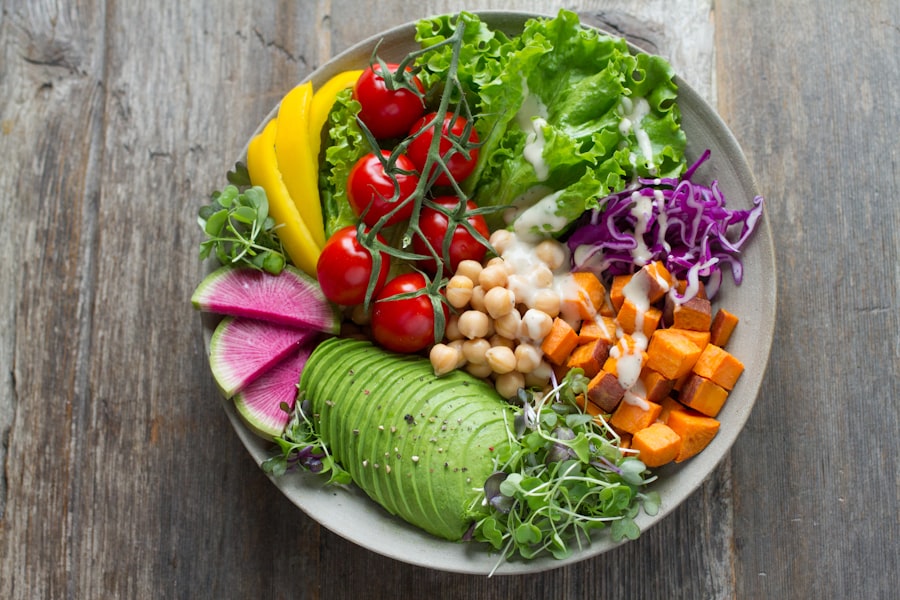
The connection between what we eat and how well our eyes function is supported by a growing body of nutritional research. The eyes are metabolically active organs that require a consistent supply of specific nutrients to operate optimally — and many of these nutrients are available abundantly through a thoughtful, varied diet.
This guide covers the most important eye-supporting foods and the nutrients they provide, helping you build an eating pattern that prioritizes your long-term visual wellness.
Why Diet Matters for Eye Wellness
The retina, lens, and other eye structures are particularly vulnerable to oxidative stress — a natural byproduct of cellular metabolism that can accumulate over time when not adequately countered by antioxidants. Many of the most important eye-supporting nutrients are antioxidants or cofactors that help maintain the eye’s natural defense systems.*
A diet rich in colorful vegetables, fruits, healthy fats, and quality proteins provides the broad spectrum of micronutrients the eyes need. Conversely, diets high in ultra-processed foods, refined sugars, and unhealthy fats tend to be low in the very nutrients that support eye wellness.*
Top Foods That Support Eye Wellness
1. Dark Leafy Greens 🥬
Kale, spinach, collard greens, and Swiss chard are among the richest dietary sources of lutein and zeaxanthin — two carotenoids concentrated in the macula of the eye. They also provide significant amounts of vitamins C and K, folate, and plant-based iron. A cup of cooked kale delivers impressive amounts of both lutein and zeaxanthin.*
2. Fatty Fish 🐟
Salmon, mackerel, sardines, herring, and anchovies are among the best dietary sources of omega-3 fatty acids, particularly DHA and EPA. DHA is a structural component of the retina, and adequate intake supports the health of retinal cell membranes and healthy tear film composition.*
3. Eggs 🥚
Eggs — particularly the yolk — provide a highly bioavailable form of lutein and zeaxanthin. Because egg yolks also contain fat, the carotenoids are more efficiently absorbed than those from some plant sources. Eggs also provide zinc, vitamin E, and vitamin A.*
4. Orange and Yellow Vegetables 🥕
Sweet potatoes, carrots, butternut squash, and pumpkin are excellent sources of beta-carotene, which the body converts to vitamin A. Vitamin A is essential for maintaining the health of the cornea (the eye’s outermost surface) and supporting normal vision function in varying light conditions.*
5. Citrus Fruits and Bell Peppers 🍊
Vitamin C is found in high concentrations within the aqueous humor of the eye and is a potent antioxidant. Oranges, grapefruits, kiwis, and especially bell peppers — which are among the richest sources of vitamin C per gram — support the eye’s antioxidant defense.*
6. Nuts and Seeds 🥜
Almonds, sunflower seeds, hazelnuts, and peanuts are rich in vitamin E, another key antioxidant nutrient that supports eye tissue health. A small handful of almonds provides a meaningful portion of the daily recommended intake of vitamin E.*
7. Legumes 🫘
Kidney beans, lentils, chickpeas, and black-eyed peas are good sources of zinc — a mineral concentrated in the retina that plays a role in transporting vitamin A and maintaining healthy visual function. They also provide plant-based protein and fiber.*
8. Oysters and Shellfish 🧀
Oysters are one of the richest sources of zinc available in the diet. Even small servings provide substantial amounts of this trace mineral, making shellfish a particularly valuable food for those focused on eye wellness.*
Key Eye-Wellness Nutrients at a Glance
- Lutein & Zeaxanthin: Macula support, optical filtering* — Best sources: kale, spinach, eggs
- Vitamin A: Cornea health, normal vision function* — Best sources: sweet potato, carrots, liver
- Vitamin C: Antioxidant defense, aqueous humor* — Best sources: bell peppers, citrus, kiwi
- Vitamin E: Eye tissue antioxidant protection* — Best sources: almonds, sunflower seeds, avocado
- Omega-3 (DHA/EPA): Retinal structure, tear film* — Best sources: salmon, mackerel, sardines
- Zinc: Vitamin A transport, retinal health* — Best sources: oysters, beef, pumpkin seeds
Sample Eye-Friendly Meal Ideas
Breakfast
Spinach and egg omelet with a glass of freshly squeezed orange juice. This simple breakfast delivers lutein, zeaxanthin, vitamin A, vitamin C, and a meaningful portion of your daily omega-3 needs if you use eggs enriched with omega-3.*
Lunch
A large salad with kale, mixed peppers, shredded carrots, chickpeas, sunflower seeds, and a drizzle of olive oil. Top with grilled salmon for an eye-wellness powerhouse meal packed with lutein, vitamins A, C, and E, zinc, and omega-3s.*
Dinner
Baked mackerel with roasted sweet potato and steamed collard greens. A well-rounded dinner that hits nearly every key eye-wellness nutrient in one satisfying meal.*
Snacks
A small handful of almonds, a hard-boiled egg, carrot sticks with hummus, or sliced kiwi — all make excellent snack choices for supporting eye wellness throughout the day.*
When a Supplement Can Help
Even with the best dietary intentions, many adults find it difficult to consistently eat sufficient amounts of all the key eye-supporting nutrients every single day. Busy schedules, food preferences, dietary restrictions, and seasonal availability all affect what we actually eat from week to week.
A high-quality daily eye wellness supplement — like RetinaClear — provides a convenient and reliable way to support your nutritional intake of key eye-wellness nutrients, complementing (not replacing) a healthy diet.*
*These statements have not been evaluated by the Food and Drug Administration. This product is not intended to diagnose, treat, cure, or prevent any disease.
